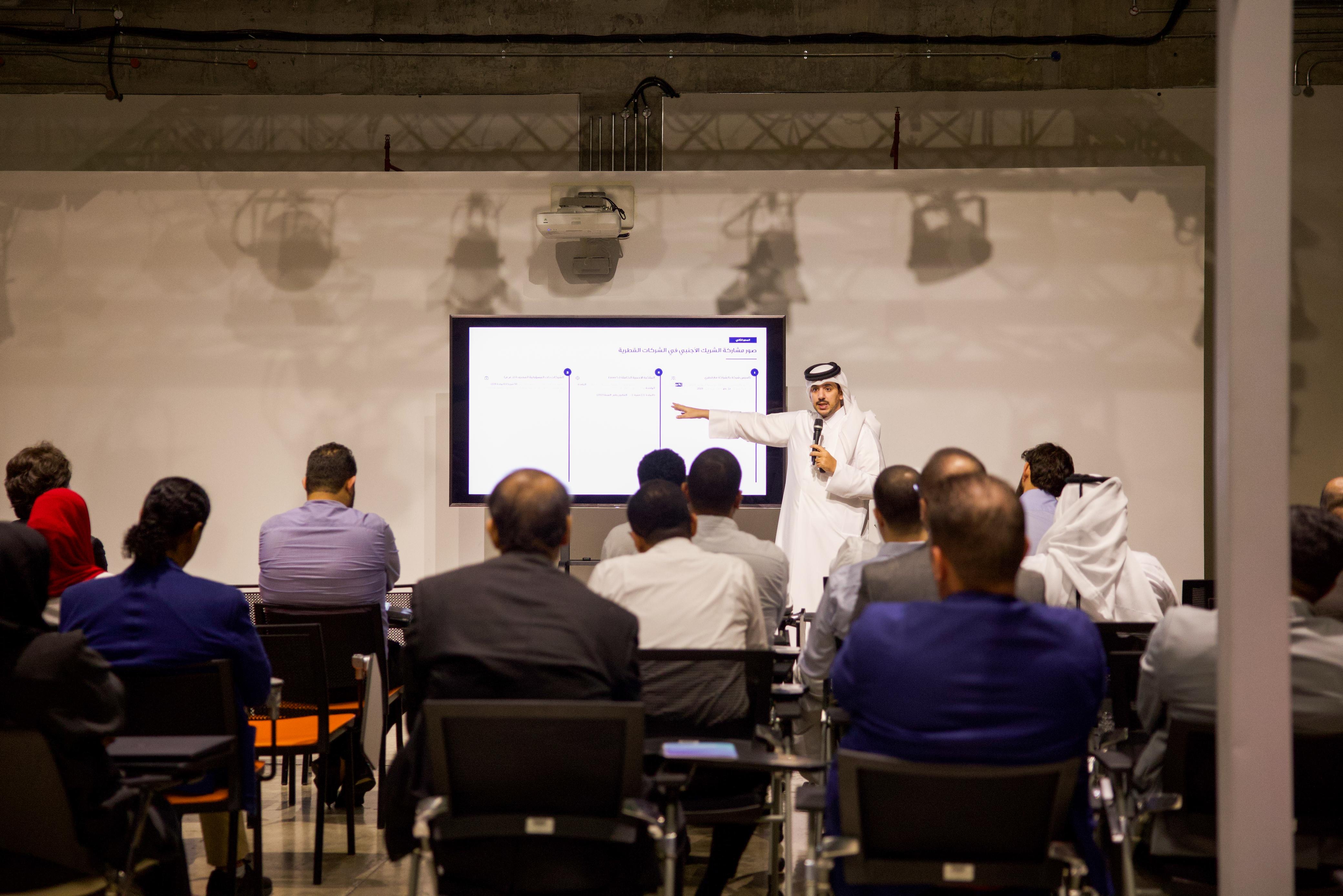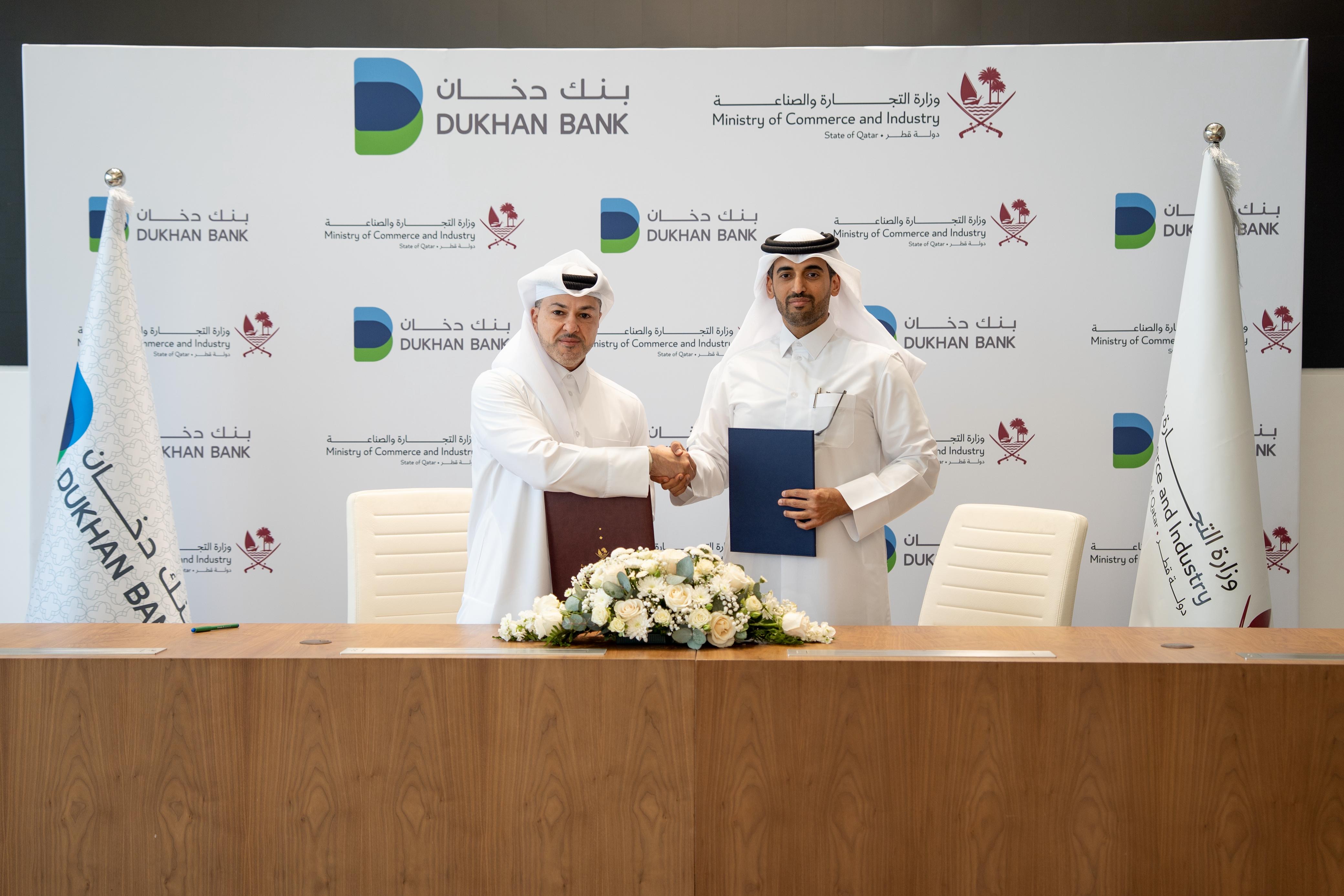

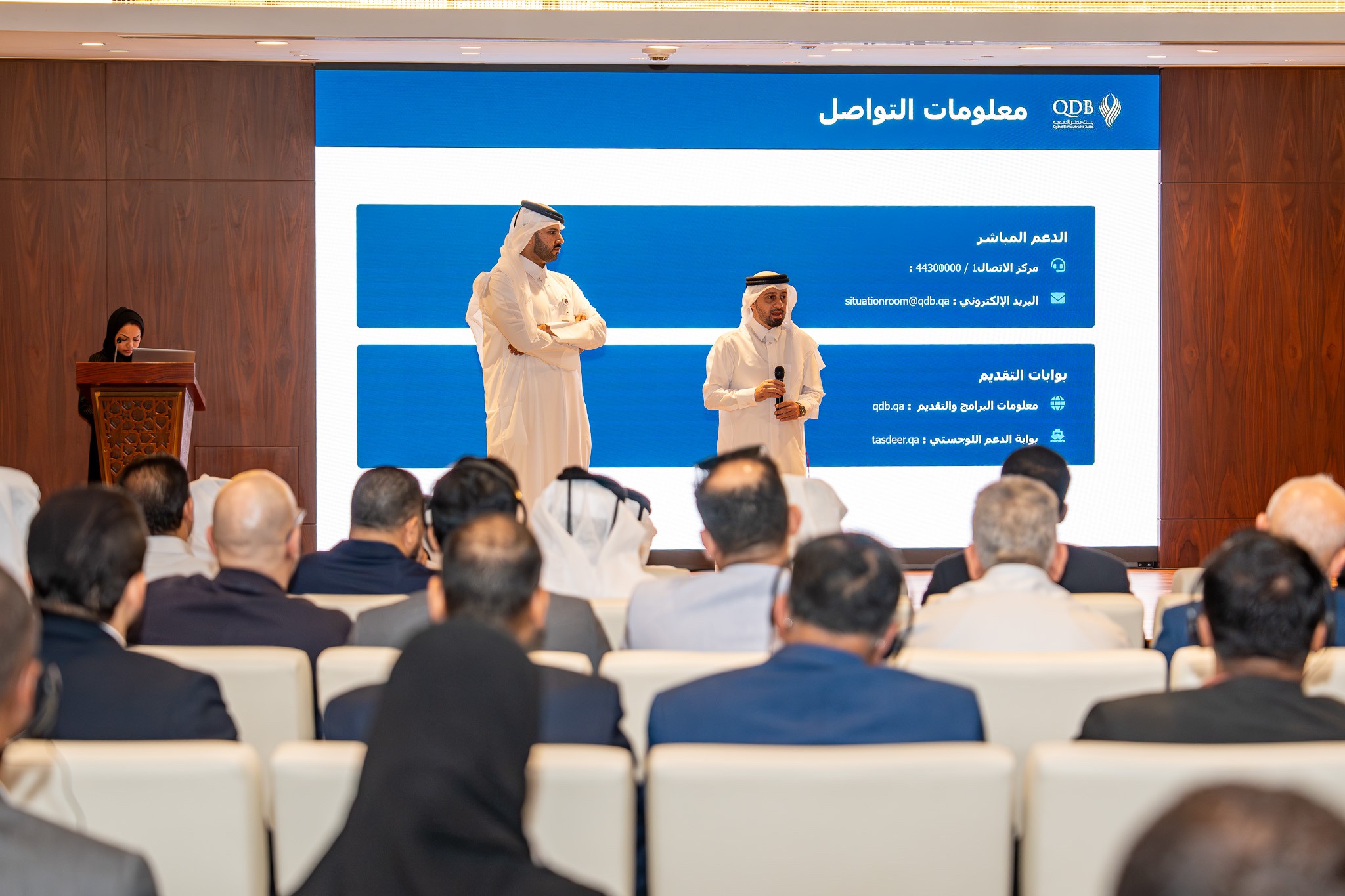
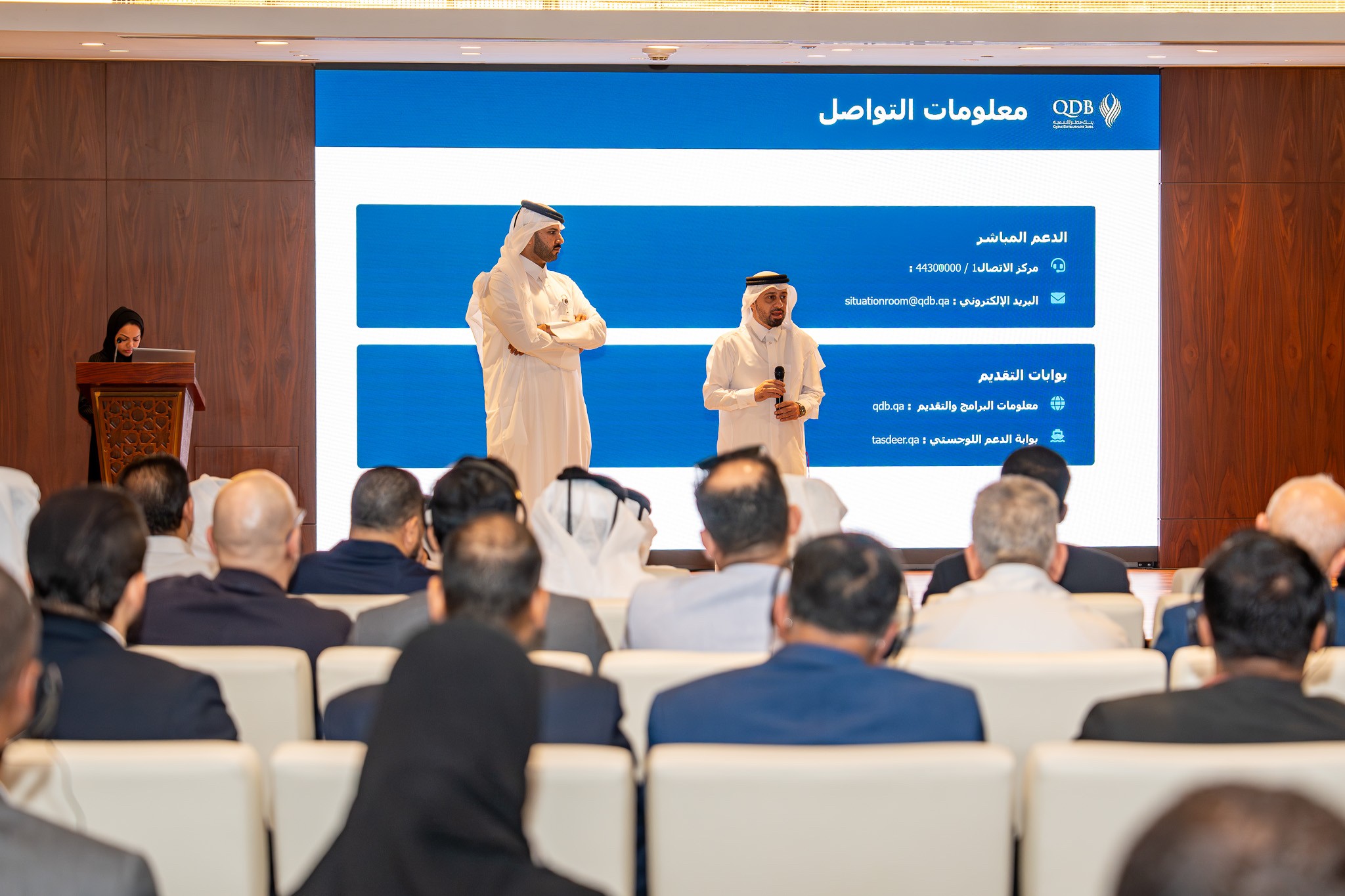

In coordination with Qatar Development Bank, a meeting was held on Thursday, 2 April 2026, bringing together major suppliers in Qatar and a number of relevant local companies at the Ministry’s headquarters in Lusail City. The discussion focused on enhancing the resilience and sustainability of supply chains.
Attendees included H.E. Saleh Majed Al Khulaifi, Assistant Undersecretary for Industrial Affairs and Business Development at the Ministry of Commerce and Industry, and Dr. Hamad Salem Mejegheer, Executive Director of SME Development at Qatar Development Bank, alongside representatives from suppliers and companies.
This engagement comes as part of ongoing efforts to strengthen coordination and exchange perspectives among key stakeholders, with the aim of reinforcing supply chain readiness and continuity amid current regional developments. It also supports priority sectors, particularly food security and the needs of the local market.
During the meeting, key initiatives were highlighted to ensure market stability and the smooth flow of goods, along with policies designed to empower local suppliers and enhance their production and operational capabilities. These efforts contribute to diversifying supply sources and improving supply chain efficiency, while reaffirming the private sector’s role as a key partner in strengthening resilience and supporting economic development.
Qatar Development Bank presented an overview of newly launched financial and advisory programs introduced through its dedicated operations room, established to support companies based in Qatar in response to the evolving regional landscape. These programs target businesses in wholesale and retail trade, as well as factories operating in food, health, and related industries. The services include “Supply Chain Financing for Priority Products,” “Raw Material Inventory Financing,” and the “Import Logistics Support Program,” in addition to specialized advisory services.
The meeting also featured bilateral discussions between suppliers and local companies, exploring opportunities for collaboration and the conclusion of supply agreements for a range of essential goods. Participants reviewed supply chain options, discussed alternative solutions, and exchanged information on available reserves that could be utilized by companies.
The session concluded with a reaffirmation of continued coordination and joint efforts to support private sector companies. Emphasis was placed on maintaining operational continuity across vital sectors with high efficiency, ensuring market stability and aligning with the country’s economic development objectives.